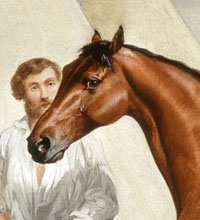
The Charge of the Light Brigade took place in a valley near Balaklava in the Crimea on 25 October 1854. It was just one action in the war between Turkey (or rather, the Ottoman Empire) and Russia (the Russian Empire).
When Russia advanced down the western side of the Black Sea, France and Britain stepped in on the side of the Turks. This alliance was surprising at the time because Russia was a Christian country and most Turks were Moslem.

[Why were (Christian) France and Britain supporting (Moslem) Turkey against (Christian) Russia?
It's complicated, and views vary. Russia argued that the Ottomans were oppressing pilgrims and Orthodox Christian minorities in the Holy Land. Roman Catholics, on the other hand complained it was Russian Orthodox priests who were the main problem — there was rivalry (and sometimes violence) between Catholic and Orthodox priests over who should control the holiest sites in Jerusalem.
But the bigger reason is that Russian expansion was seen by the British and French as a threat to the accepted order in Europe and the world — an "order" which worked to their advantage. They wanted to prevent Russia from getting access from the Black Sea to the Mediterranean Sea (through the Bosphorus Strait) — and hence stop the Russians from challenging British and French interests in Egypt (and the rest of the Middle East) and threatening military and trade routes to India and China (and the rest of the Far East).]
The Franco-British armies and navies arrived in the Black Sea in January 1854. At first, they were mainly concentrated near Constantinople (today's Istanbul).
Britain and France declared war on Russia on 28 March 1854.
In June, they pitched camp near Varna (in modern Bulgaria), on the western side of the Black Sea. Many soldiers died of cholera and other diseases here.
When the Russians retreated northward, back into Russian territory, the British and French decided to continue their attack. The main site of conflict then moved across the Black Sea to the Crimean peninsula, where the Light Brigade were involved in four great battles:
Alma: the first battle took place 20 September 1854 (a few days after the British and French landed in the Crimea).
Balaklava (aka Balaclava) happened a month later, 25 October 1854. It was a relatively short battle, and involved few soldiers, but it came to symbolise the whole war — partly because of the famous poem written about the Charge of the Light Brigade by Alfred, Lord Tennyson.
Inkerman (Inkermann), a week later, 5 November 1854.
The Russians had control of the heavily fortified sea port of Sebastopol (aka Sevastopol). The Franco-British forces and Ottomans laid seige.
But just like World War One, the warring armies got bogged down. Both sides lost enormous numbers of men (probably more by disease than by enemy fire) but neither side made any progress towards finishing the conflict. Sebastopol withstood a seige of 337 days, finally falling on 9 September 1855.
Some useful summaries:
— National Army Museum: Crimean War
— Wikipedia: Crimean War
— Encyclopedia Britannica: Crimean War
Two main campaign medals were awarded to soldiers who had fought in the Crimea: the Crimea Medal and the Turkish Crimea medal (Men who died in the battle did not receive the Turkish medal.).
[A few men also received the Victoria Cross, for outstanding bravery. The French government also awarded some British soldiers with their own medal, the Medaille Militaire.]
If a soldier fought in any of the four battles above (Alma, Balaklava, Inkermann, Sebastopol), they were given oak-leaf "clasps" to add. These are always in the same order: A-B-I-S (bottom-to-top), matching the chronology of the battles:
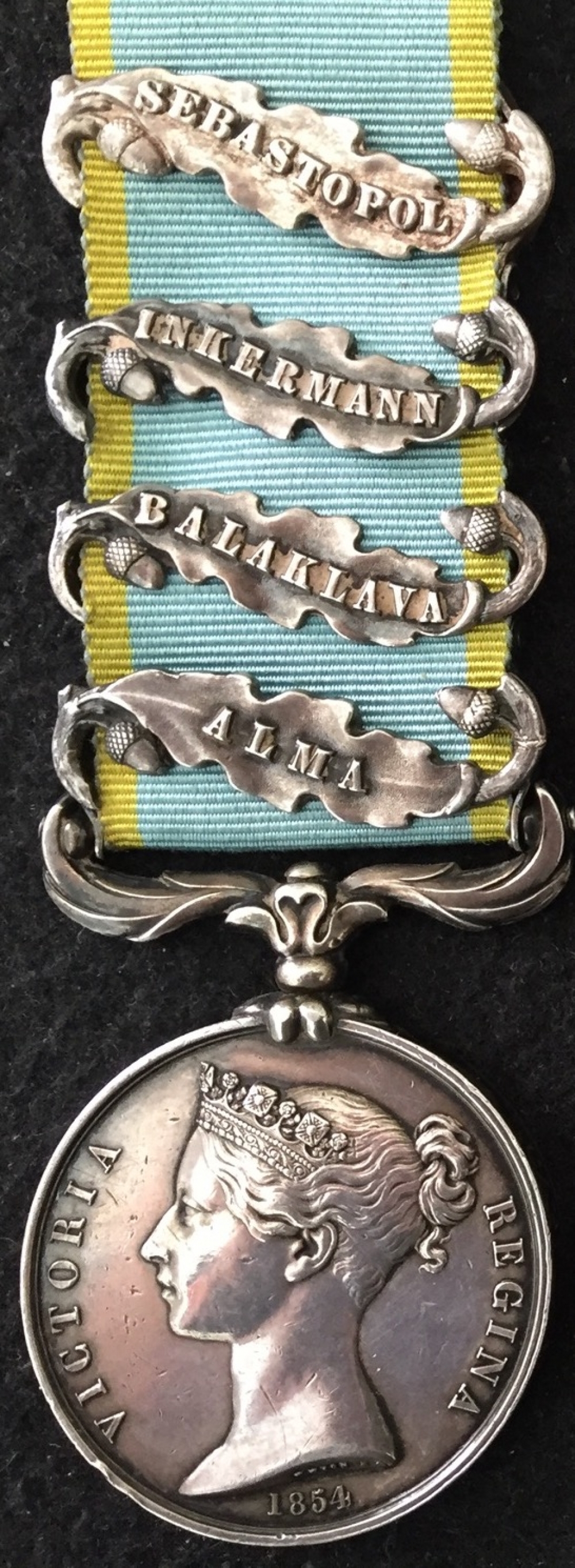
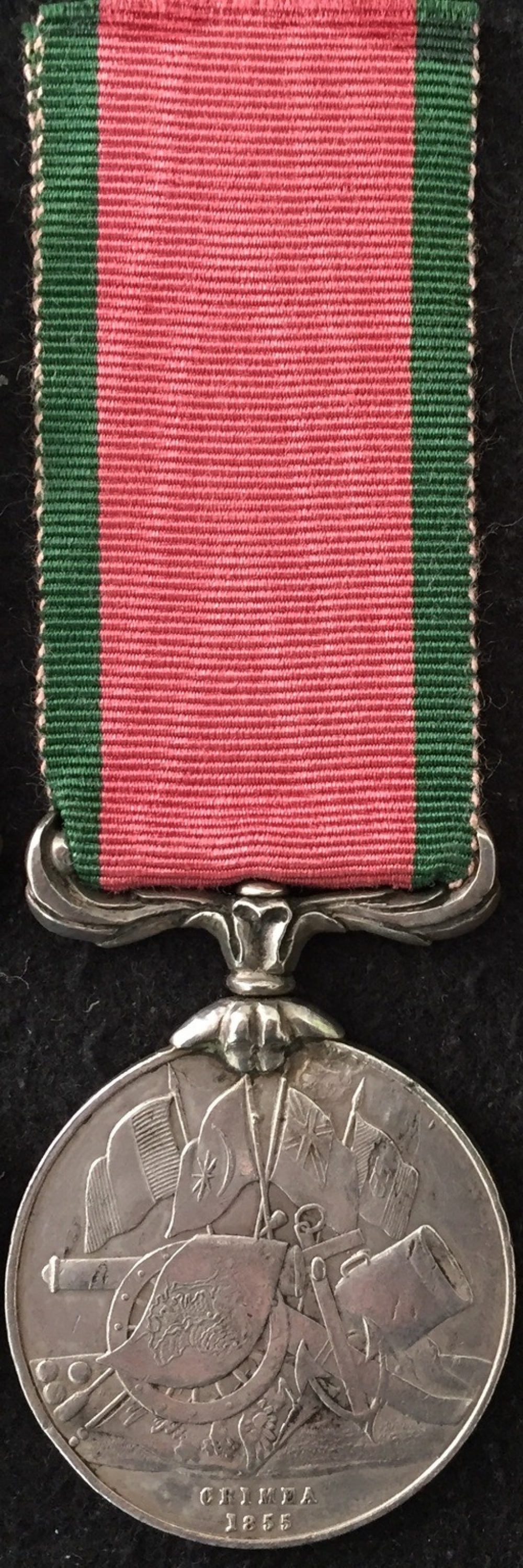
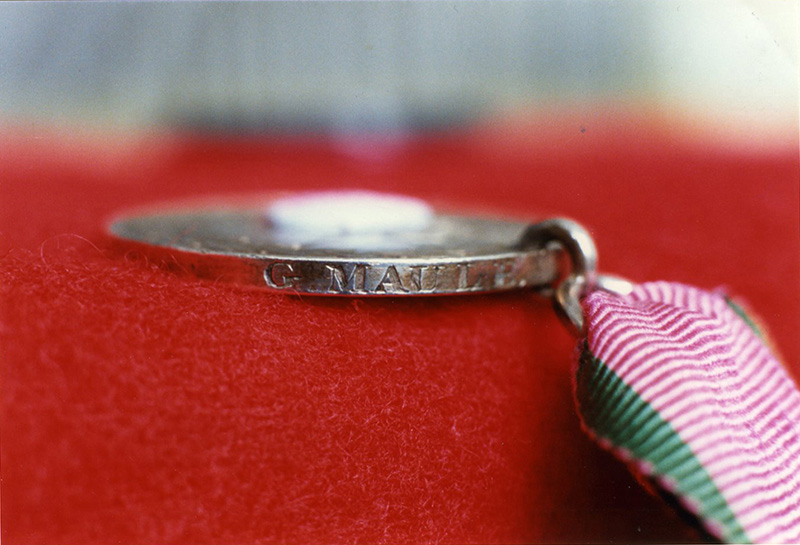
The medals were normally issued "blank. In many (but not all) cases, the medals are later "named" round the edge. Sometimes this engraving or impressing was carried out by the regiment, sometimes it was arranged by the person himself, or by his family.
[The phrases in quotes are from Alfred, Lord Tennyson's poem, The Charge of the light Brigade"
It was all the result of a terrible mistake: "Someone had blundered".
In the 1968 film, young Captain Nolan is shown as a hot-head who is exasperated with the old, stuffy, incompetent Lucan and Cardigan. When they ask him where are the guns he gestures wildly, and (rather insolently) says words to the effect "There! There, my Lord, is your enemy! There are your guns!" But where? When he realises the Light Brigade are heading in the wrong direction, Nolan tries to turn them, but Cardigan refuses to listen. He imagines Nolan is trying to take away his glory. Nolan is then killed by an exploding cannon ball (so we'll never know).] Young Captain Nolan gallops up with orders from Lord Raglan, overall commander of the British forces . . . Lucan (shown wearing a pointy hat with red and white feathers), is in charge of the whole of the cavalry (Heavy as well as Light Brigades). He then instructs Cardigan (with the lush moustache), who leads the Light Brigade, to attack. Nolan has been sent to tell Lords Lucan and Cardigan, waiting with the cavalry, to "Charge for the guns!" (Cardigan is the pompous ass with the big moustache who leads the Light Brigade of Cavalry.) But which guns? The massed cannon facing them at the end of the valley a mile or so ahead, or some other smaller gun emplacements elsewhere? The message is ambiguously worded, and hot-headed Nolan fails to clarify things — until it is too late. It is clear to everyone that the mission is suicidal. But orders are orders so the Light Brigade sets off for the massed Russian guns at the end of the valley . . . — YouTube: The Charge scene — Wikipedia: The Charge of the Light Brigade (1968 film). It seems the catastrophic Charge came about because the British commander Lord Raglan issued orders for the Light Brigade to attack some Turkish guns that had been captured by the Russians earlier that day. He asks his chief aide, General Airey, to write out the order and send young Captain Nolan to deliver it:
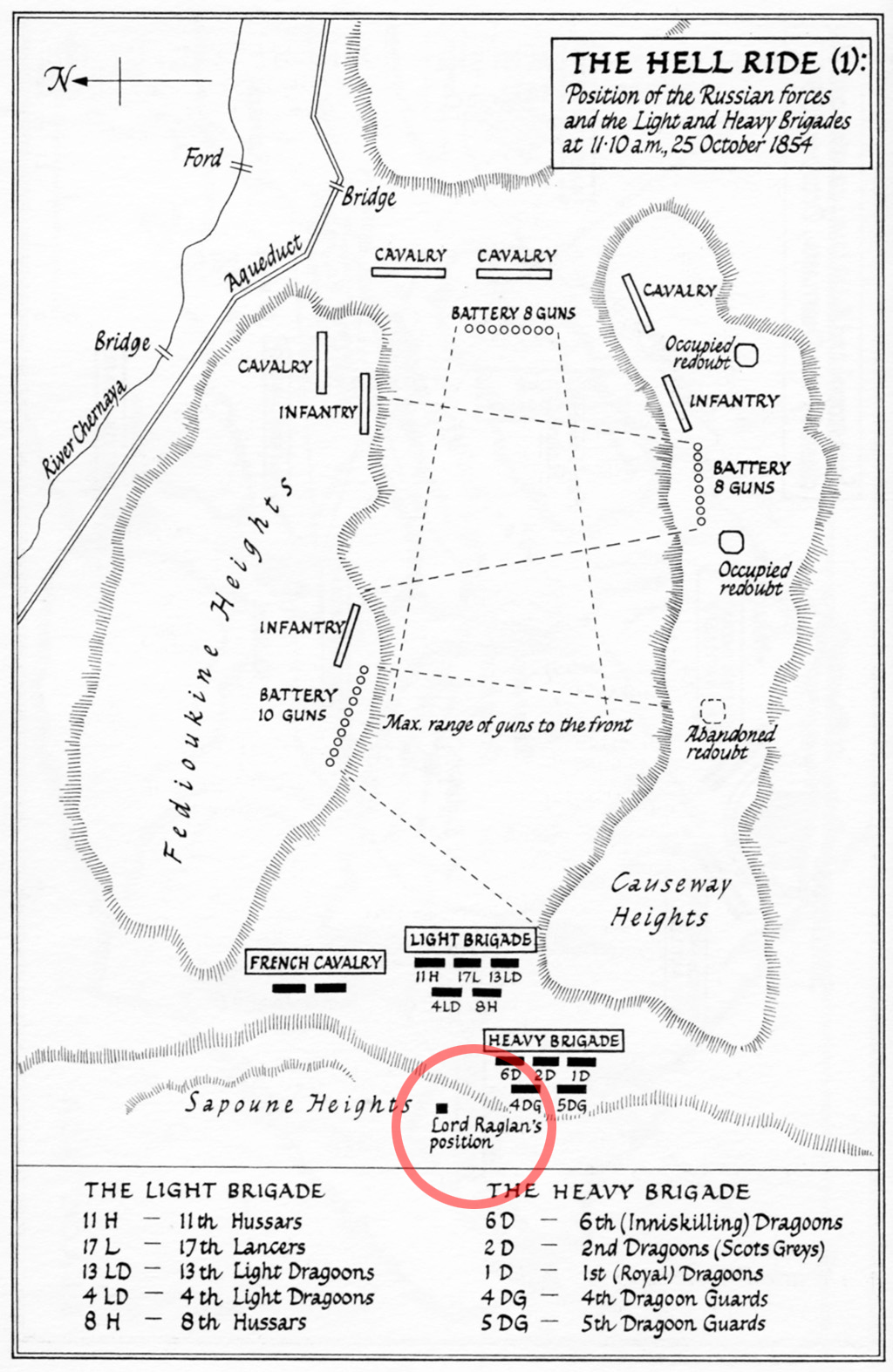
The Hell Ride — 1 (from Terry Brighton, The Hell Riders: The Truth about the Charge of the Light Brigade (2005)
The Light Brigade (bottom of map) will charge up the valley towards the Russian guns at the top. Raglan, his aides, and others are viewing the entire scene from high on the Sapoune Heights. The cavalry are directly below them, and can see very little.
The "blunder".
"‘Lord Raglan wishes the cavalry to advance rapidly to the front, follow the enemy and try to prevent the enemy carrying away the guns. Troop Horse Artillery may accompany. French cavalry is on your left. Immediate. R. Airey"
The "front"? "Follow the enemy"? "Carrying away the guns"? "The French cavalry is on your left"? Above all, which guns? The orders might have made sense to Raglan and Airey but it was all very confusing when you were down in the valley, not knowing which way to face.
Raglan was high on a hill above the cavalry in the valley below him. To him, it was obvious which guns he meant. But for people such as Lord Cardigan, leading the Light Brigade, it was not at all clear. He and his colleague Lord Lucan assumed it must be the main battery of Russian guns at the end of the valley. But a frontal attack would be suicidal. Not only would these cannon be firing straight ahead at the approaching British cavalry, but gun emplacements and infantrymen on both flanking sides of the valley would be attacking them on their way down.
As Tennyson puts it, "Theirs not to make reply, Theirs not to reason why, Theirs but to do and die."
Suicidal, yes, but Lucan and Cardigan shrug their shoulders and carry out the order. They set off to attack the guns at the end of the valley — they ride slowly at first, then faster and faster until they charge flat out.
Cannon to right of them,
Cannon to left of them,
Cannon in front of them
Volleyed and thundered;
Stormed at with shot and shell,
Boldly they rode and well,
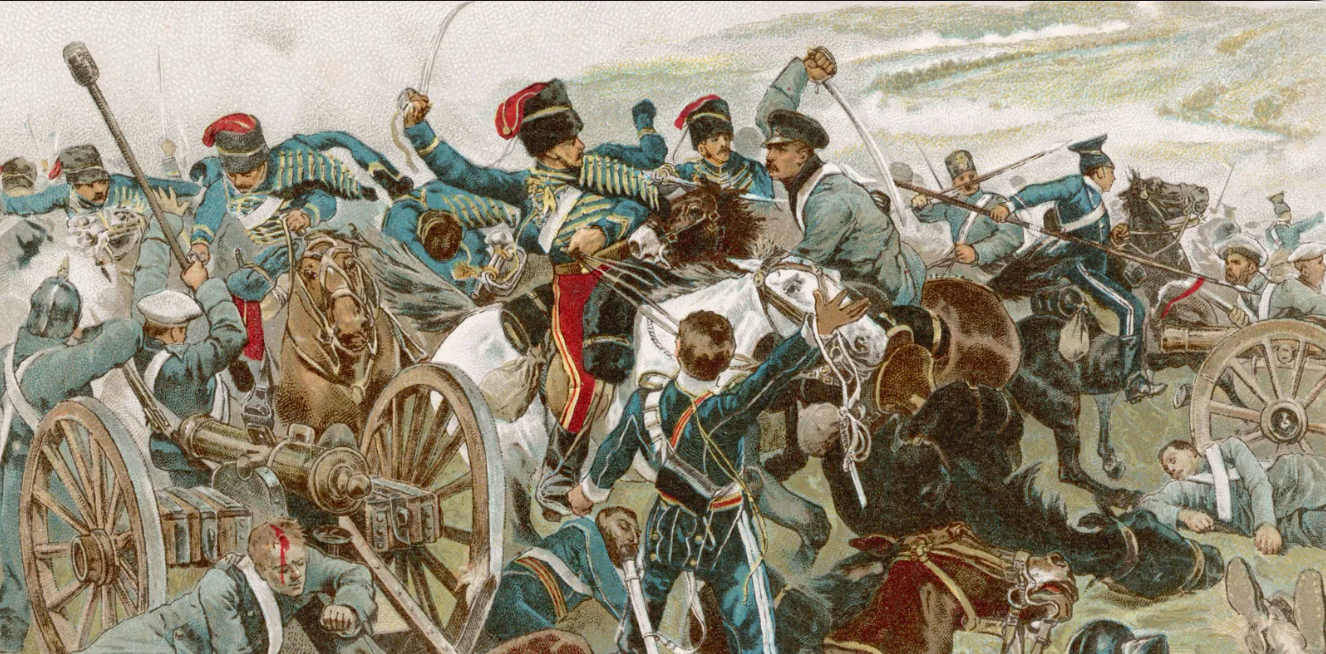
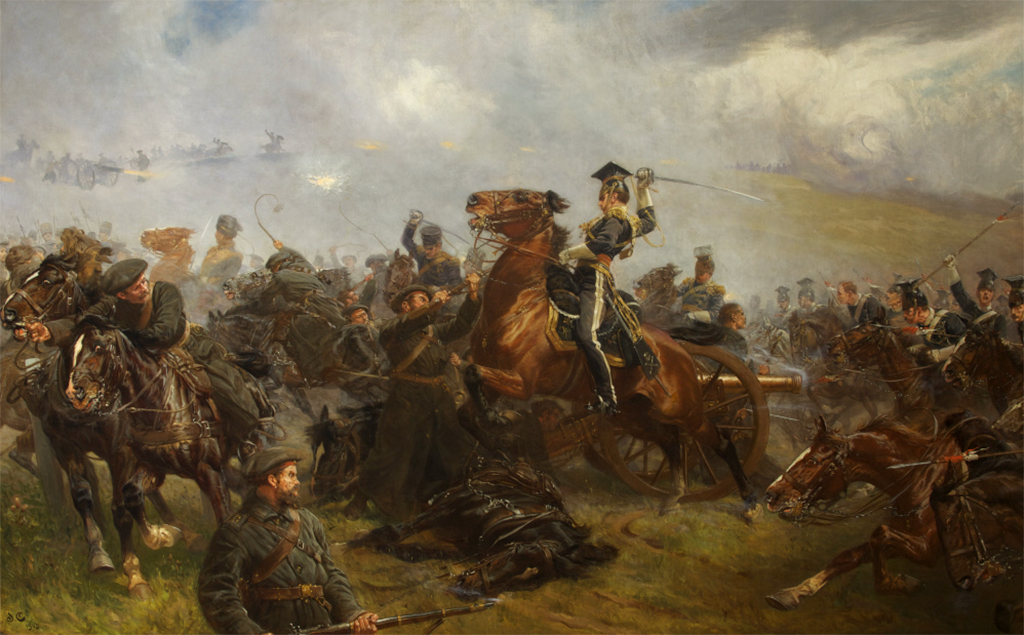
Amazingly some of the cavalry (including Cardigan) reached the Russian guns and killed all the gunners. The smoke was so thick that several rode straight through the guns and out the other side — where they were met by astonished Russian cavalry. (Cardigan, incidentally, never took his sabre from its sheath, perhaps because he thought it unbecoming?.)
Flashed all their sabres bare,
Flashed as they turned in air
Sabring the gunners there,
Charging an army, while
>All the world wondered.
Plunged in the battery-smoke
Right through the line they broke;
Cossack and Russian
Reeled from the sabre stroke
Shattered and sundered.
But then what? They haven't brought spikes to make the guns useless. They're surrounded by astonished Russian cavalry. There's nothing for it but to ride back up the valley to reach British lines again.
Then they rode back, but not
Not the six hundred.
Which of course meant the faced the same threats all over again ro the flanking fire:
Cannon to right of them,
Cannon to left of them,
Cannon behind them
Volleyed and thundered;
Stormed at with shot and shell,
While horse and hero fell.
They that had fought so well
Came through the jaws of Death,
Back from the mouth of hell,
All that was left of them,
Left of six hundred.
Many men were killed, seriously injured, or taken prisoner by the Russians. Very few horses made it back to the British lines, and the missing horses couldn't be replaced. In effect, the Light Brigade was rendered useless for the remainder of the war.
[To be added: How many men died, or were injured, or taken prisoner?]
[So who "blundered"?
Was it Raglan and his aides, for not having the sense to realise that the cavalry down in the valley below could not see what they saw, and then writing the order ambiguously?
Was it Captain Nolan, for not explaining the true situation to Lucan and Cardigan, when he must have know the orders were being misinterpreted? Did he perhaps actively deceive them? (Nolan had written a textbook on new approaches to cavalry warfare in which he argued that it was possible for cavalry to attack guns from the front, and wanted a chance to prove it.)
Or was it Lucan and Cardigan for not questioning Nolan more closely, or not referring back to Raglan for clarification? Some say it was the result of the conflict between Lucan and Cardigan, who were brothers-in-law but hated each other. Neither wanted to appear "soft". Perhaps Lucan wanted Cardigan to fail (and indeed to be killed)?]
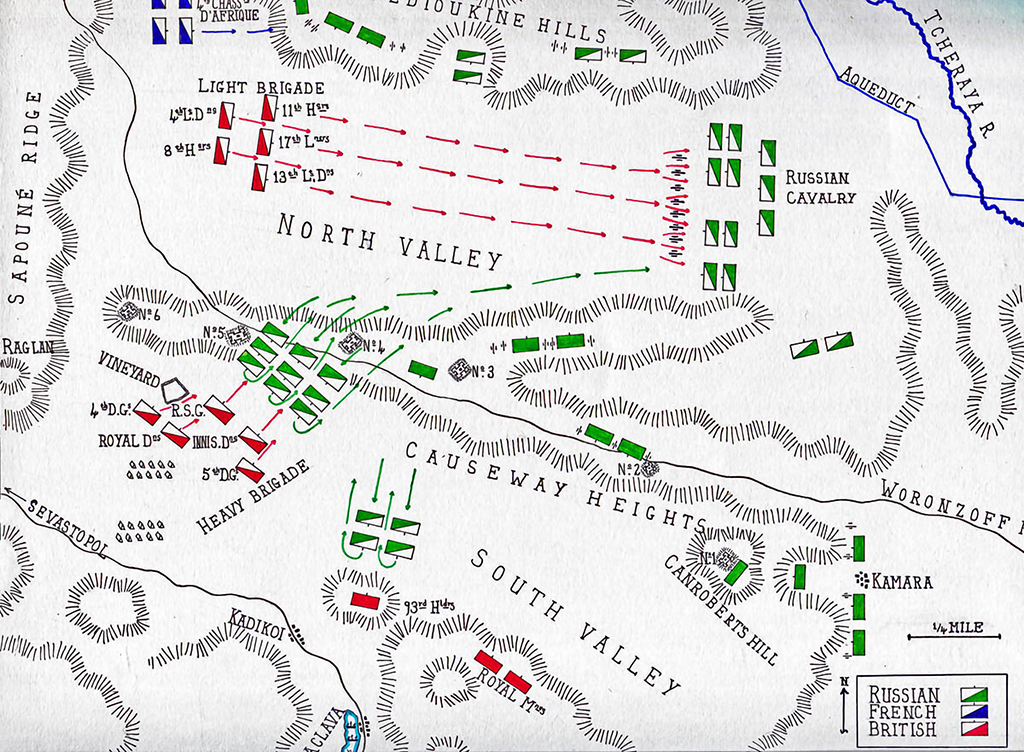
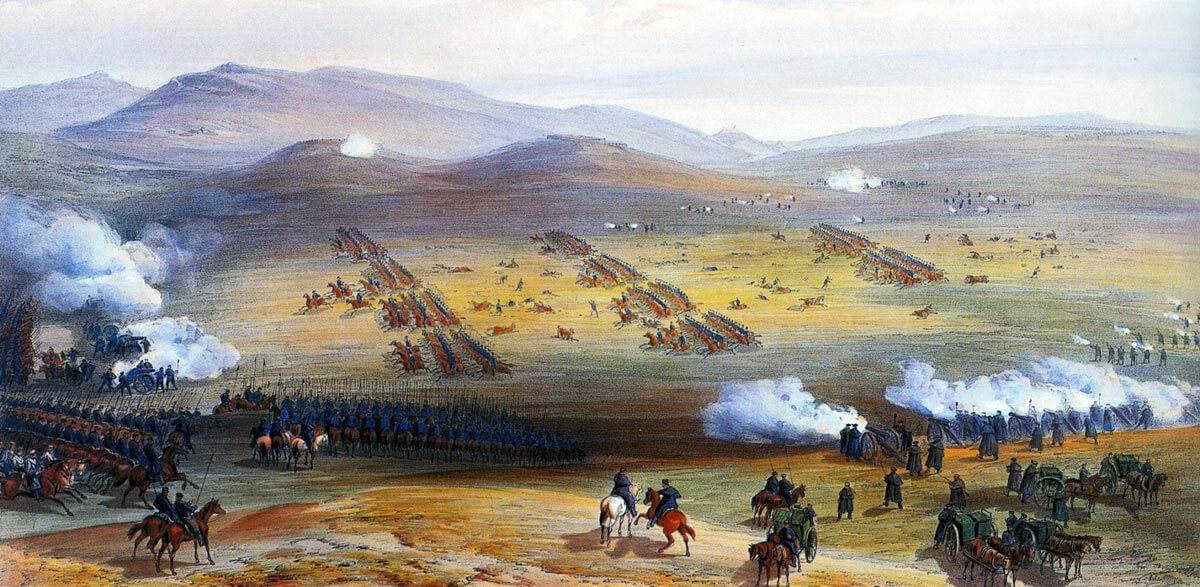
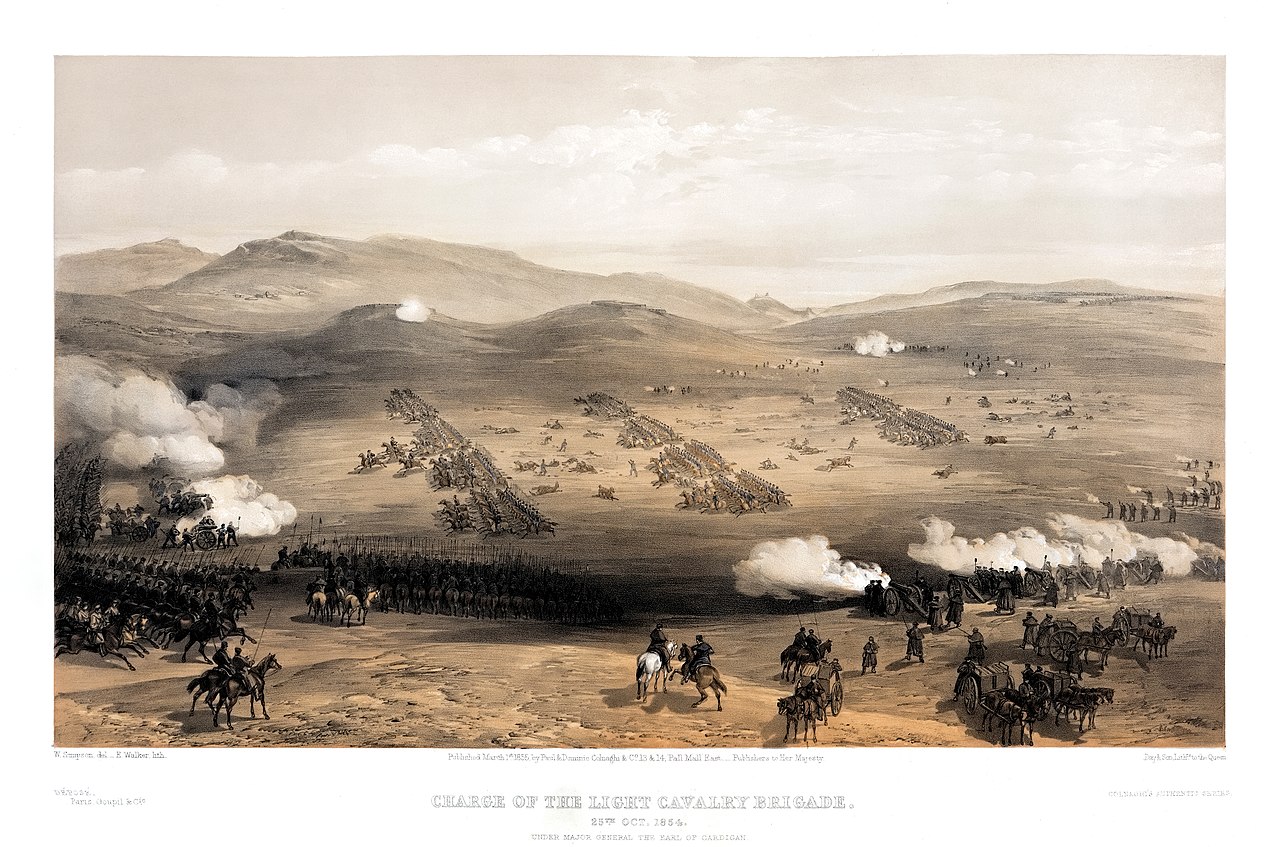
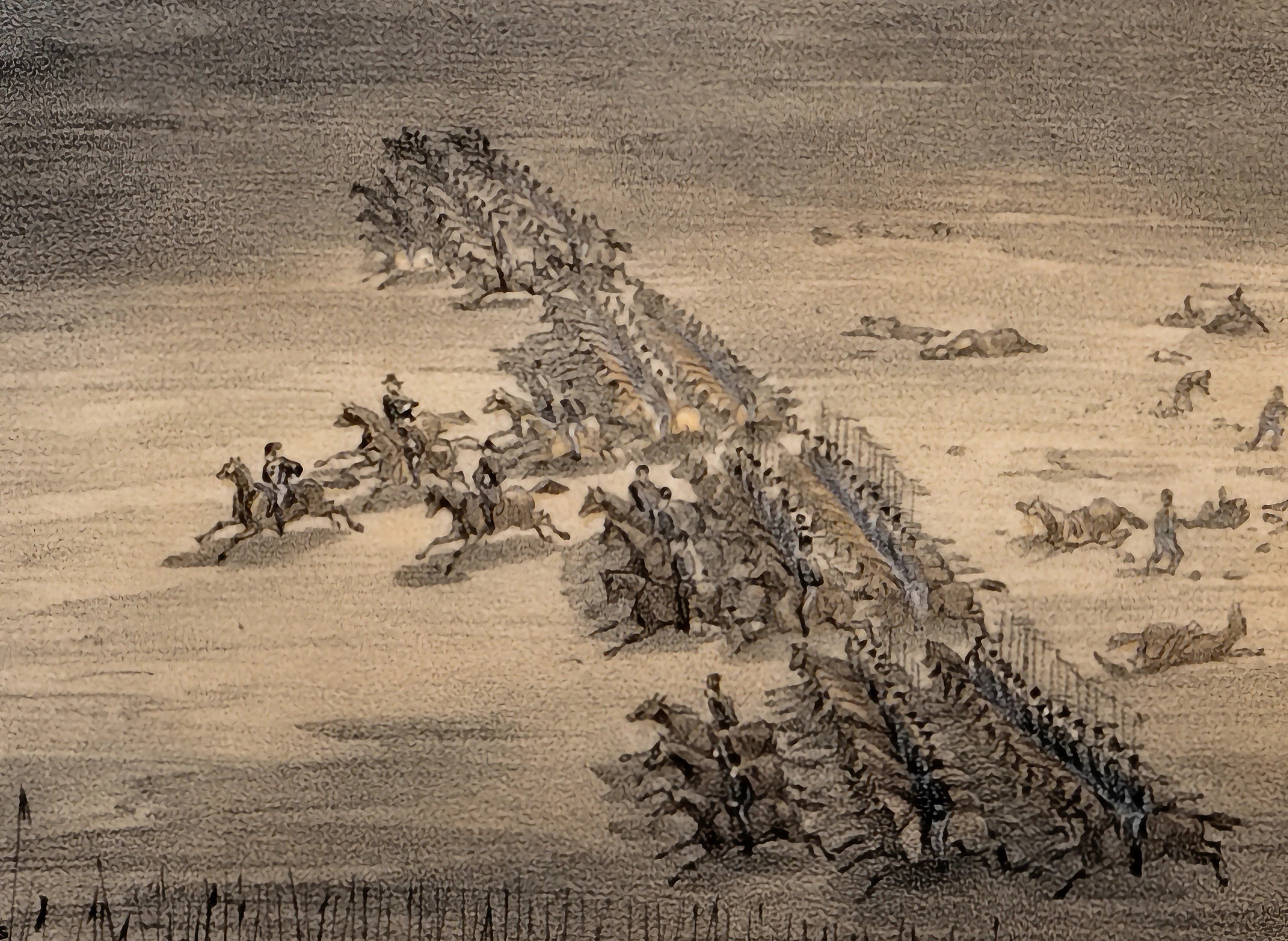
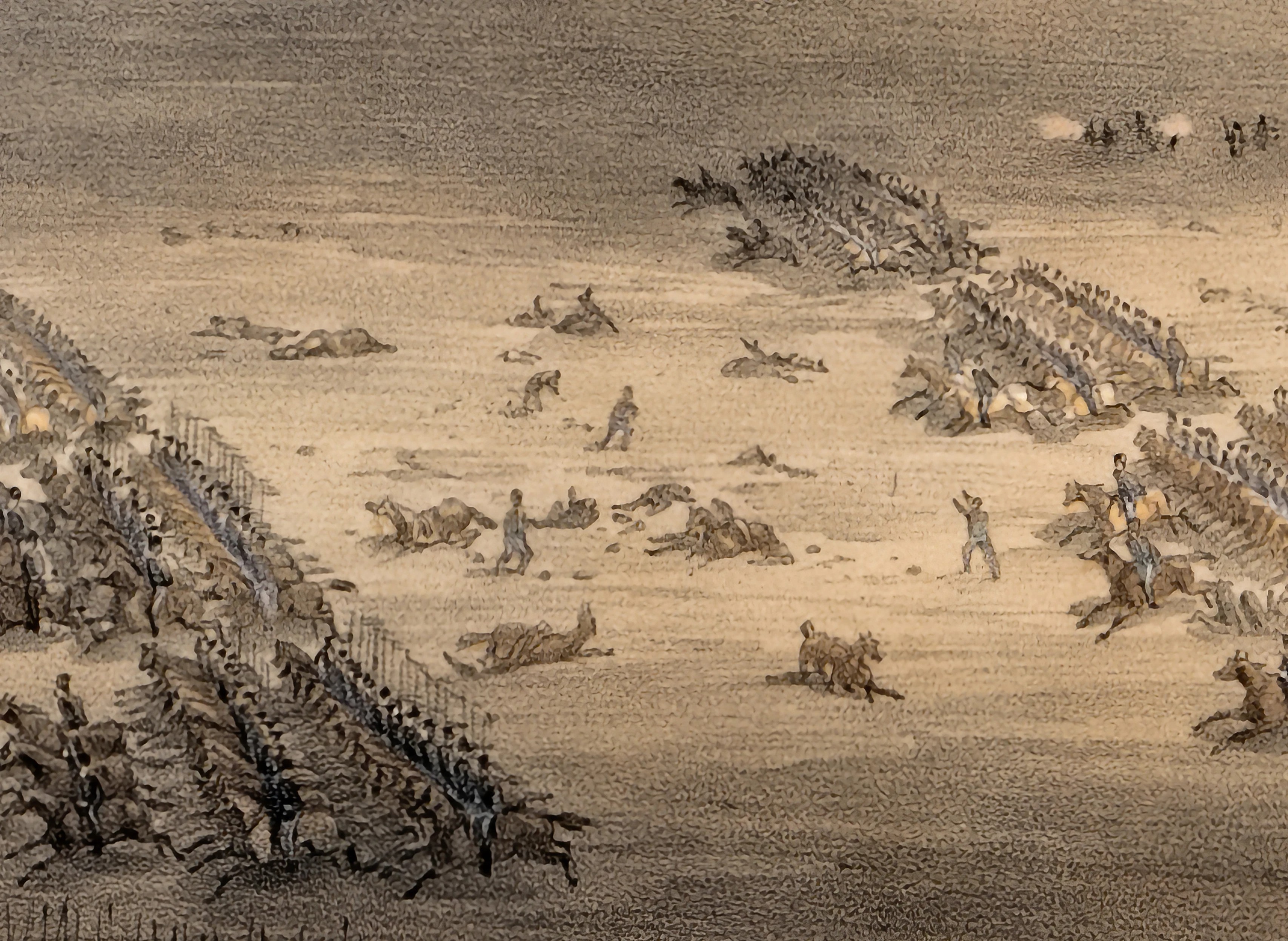
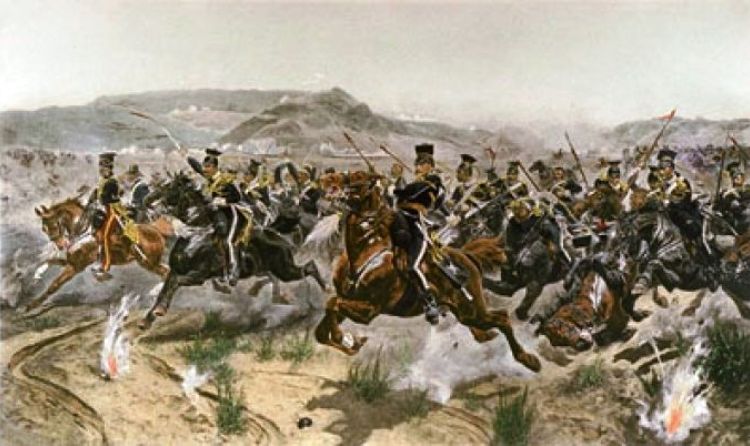
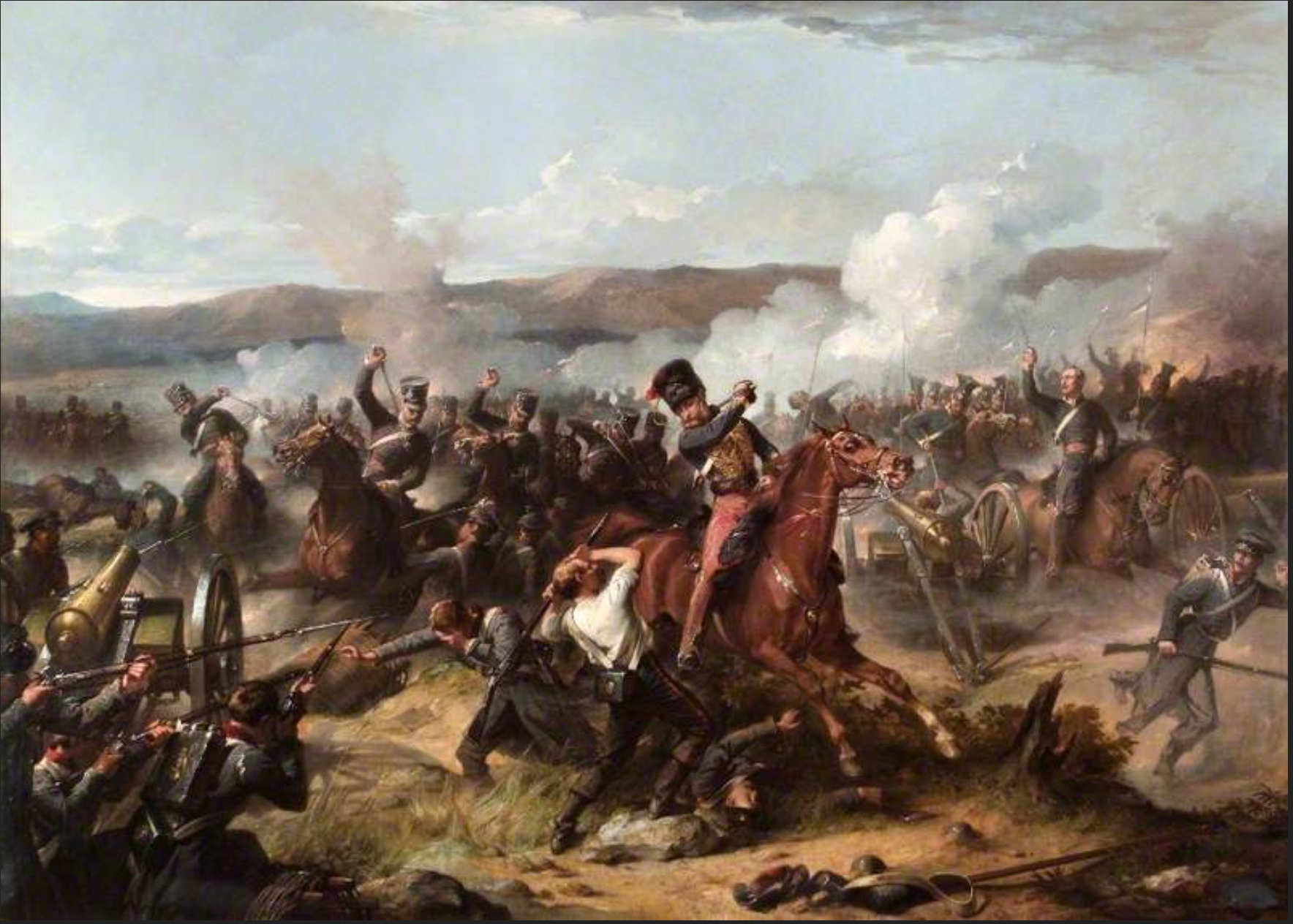
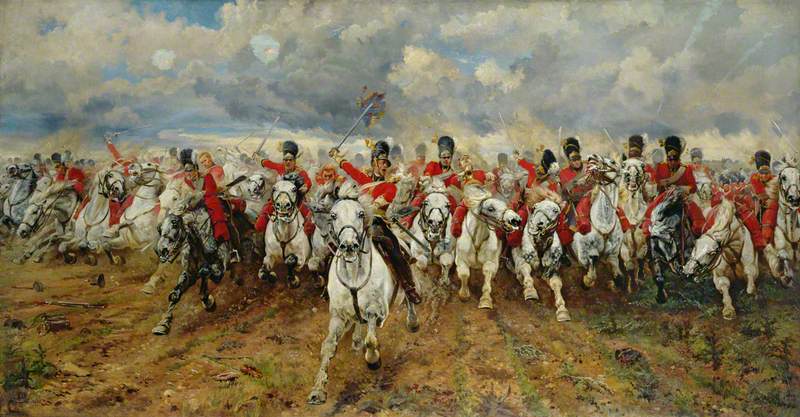
From both sides of the valley, Russian cannon are raining down shot and shell. Look closely. There are waves of cavalry. Many cavalrymen have already been hit. Many horses are riderless. If you're hit, and fall to the ground, you're likely to be trampled by the next wave of cavalry. Some cavalrymen manage to grab another horse, and carry on towards the guns...
[High-res image: William-Simpson-Charge-of-the-light-cavalry-brigade-25oct1854-under-Major-General-the-Earl-of-Cardigan.jpg]
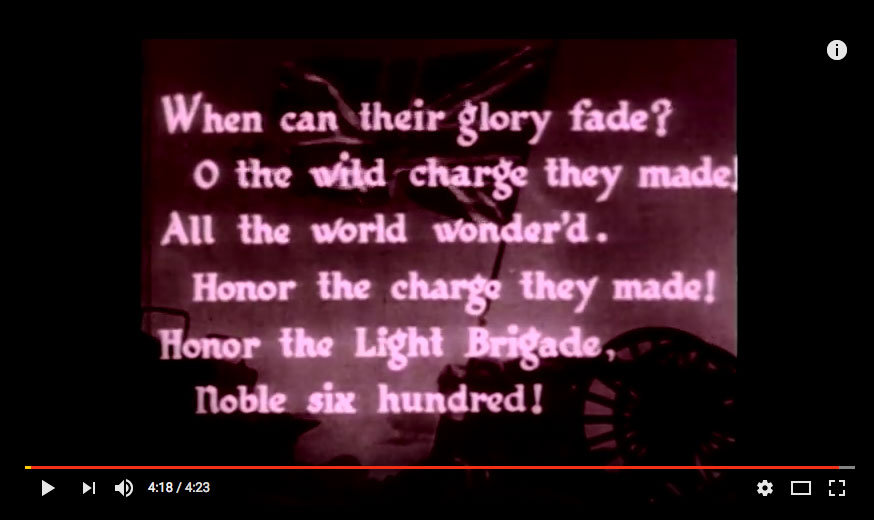
Turn up the volume. The soundtrack is Iron Maiden's The Trooper (1983). A lot of horses died in the making of this film.
The poem is Alfred, Lord Tennyson, The Charge of the Light Brigade" (1855).
The poem starts:
Half a league, half a league,
Half a league onward,
All in the valley of Death
Rode the six hundred.
"Forward, the Light Brigade!
Charge for the guns!" he said.
Into the valley of Death
Rode the six hundred.
It ends:
When can their glory fade?
O the wild charge they made.
All the world wonder'd.
Honor the charge they made!
Honor the Light Brigade,
Noble six hundred.
* A "league" is an old measure of distance — about 3 miles. So "half a league" is a mile and half (2 kilometres). This is the distance along the valley that the cavalry must cover — shot at from both sides, as well as from the front. They start off slowly (because it's so far and the horses would collapse if they take it too fast), but speed up and speed up until it becomes a wild gallop — the "Charge!".
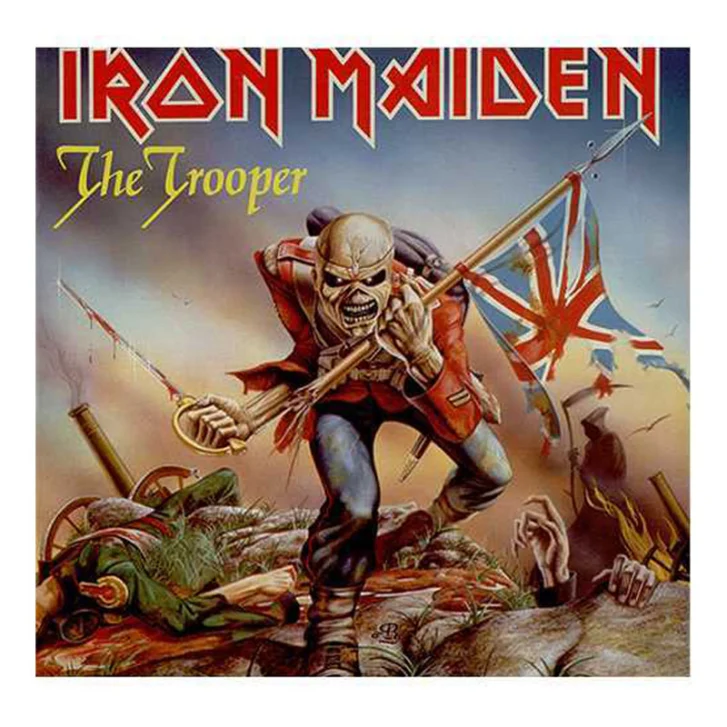
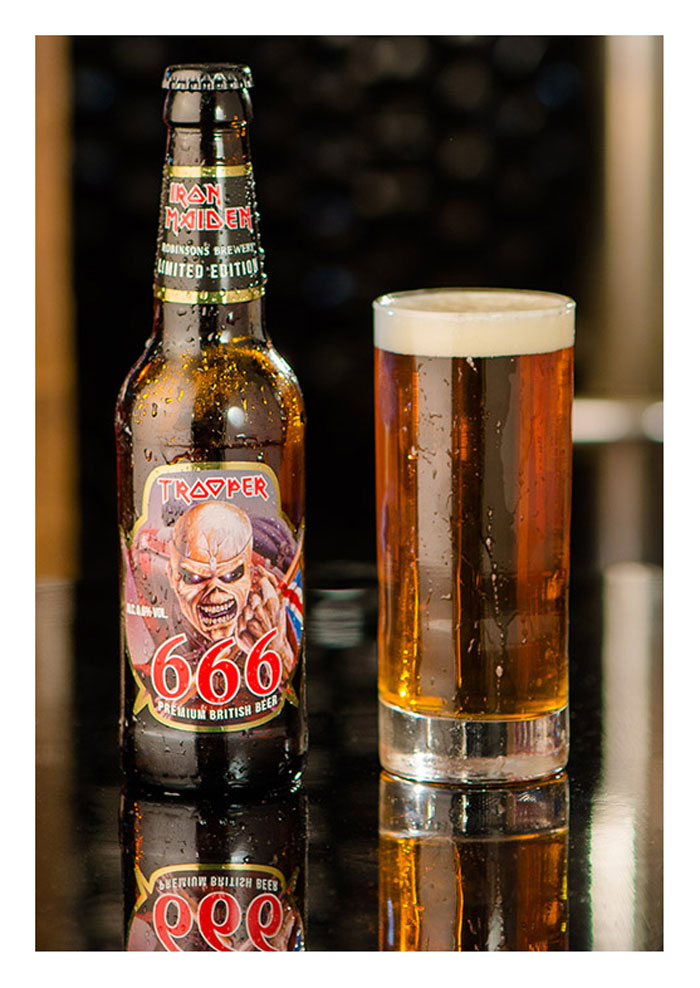
"Noble six hundred"? Exactly 600? No — nobody knows how many took part, because no records were kept, but probably nearer 700. Tennyson was misled by the first reports of the Charge in The Times newspaper. And besides, "six hundred" sounds better in a poem than "seven hundred". A lot of authors have claimed they've calculated an exact number — usually in the 660s (including Iron Maiden's favourite, 666, "the Number of the Beast"). It may have been even more.
— Poetry Foundation: The Charge of the Light Brigade" by Alfred, Lord Tennyson, (1855).
— Guardian: Poem of the week: The Charge of the Light Brigade by Alfred Tennyson

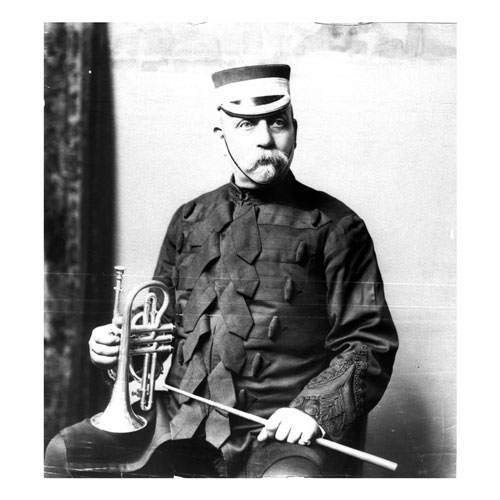
Lives of the Light Brigade: Balaclava’s Greatest Hits: Trumpeter Lanfried sounds the Charge...
YouTube: Edison recording of Trumpeter Lanfried (aka Landfried) soundingthe Charge.
— [More links to be added...]